

How Digital Momentum Is Reshaping Hungary’s Election

Heading 1
Heading 2
Heading 3
Heading 4
Heading 5
Heading 6
Lorem ipsum dolor sit amet, consectetur adipiscing elit, sed do eiusmod tempor incididunt ut labore et dolore magna aliqua. Ut enim ad minim veniam, quis nostrud exercitation ullamco laboris nisi ut aliquip ex ea commodo consequat. Duis aute irure dolor in reprehenderit in voluptate velit esse cillum dolore eu fugiat nulla pariatur.
Block quote
Ordered list
- Item 1
- Item 2
- Item 3
Unordered list
- Item A
- Item B
- Item C
Bold text
Emphasis
Superscript
Subscript
Hungary’s April 12 parliamentary election is shaping up to be Viktor Orbán’s toughest political test in more than 15 years. After four consecutive supermajority victories, his party, Fidesz, now faces a more unified challenge than at any point in recent election cycles.
Péter Magyar’s Tisza movement has succeeded in consolidating opposition support in a way no challenger has managed in the past four elections. That shift has fundamentally changed the structure of the race. Instead of a fragmented opposition, the election is increasingly defined by a direct contest between an established governing machine and a rapidly growing alternative.
As the race tightens, digital platforms are playing a central role in shaping visibility, momentum, and voter perception.
Over the past two months, online conversation around Hungary’s election generated over 912,000 mentions, reaching approximately 2.1 billion users and producing more than 172 million impressions across digital platforms.
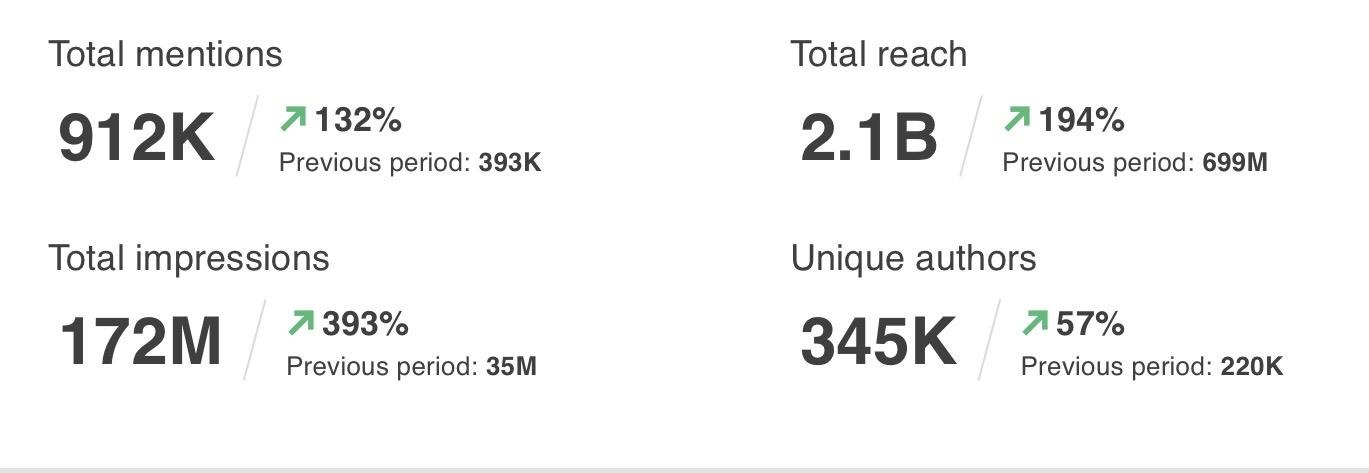
This scale highlights how central digital communication has become to the election environment. Political narratives are now formed and amplified online at a pace that often outstrips traditional media coverage.
One of the clearest trends is the tone of the online debate. Conversation around the election remains largely neutral to negative, with only 4% positive sentiment, compared to 44% negative and 52% neutral.
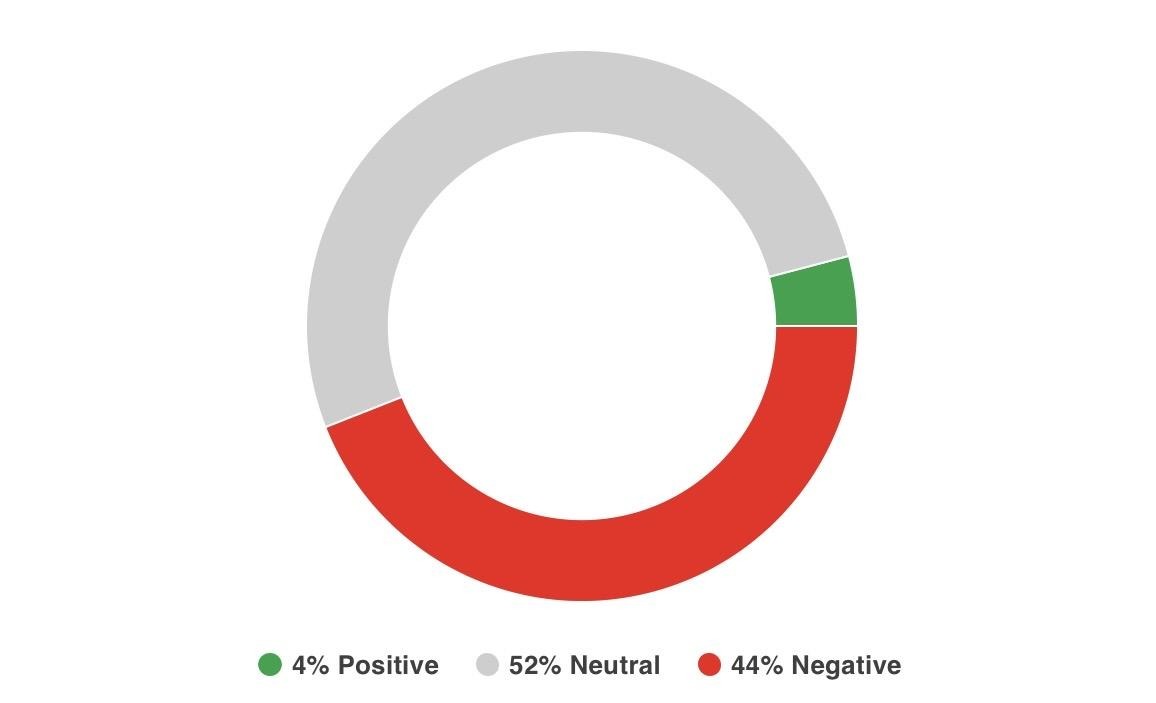
This dynamic is critical. In environments where frustration and criticism dominate, voters are more likely to engage with messages that offer change, challenge the status quo, or directly address public concerns. This creates a natural opening for newer political movements to gain traction.
A key driver behind this shift is the growing importance of personal and direct communication. Content that feels immediate, conversational, and less scripted tends to generate stronger engagement. Messages that appear authentic and responsive are more likely to be shared and repeated across networks.
This dynamic has helped emerging political actors build visibility and momentum, even without the institutional structure of long-established parties.
At the same time, the data shows that not all digital platforms play the same role in shaping political influence.
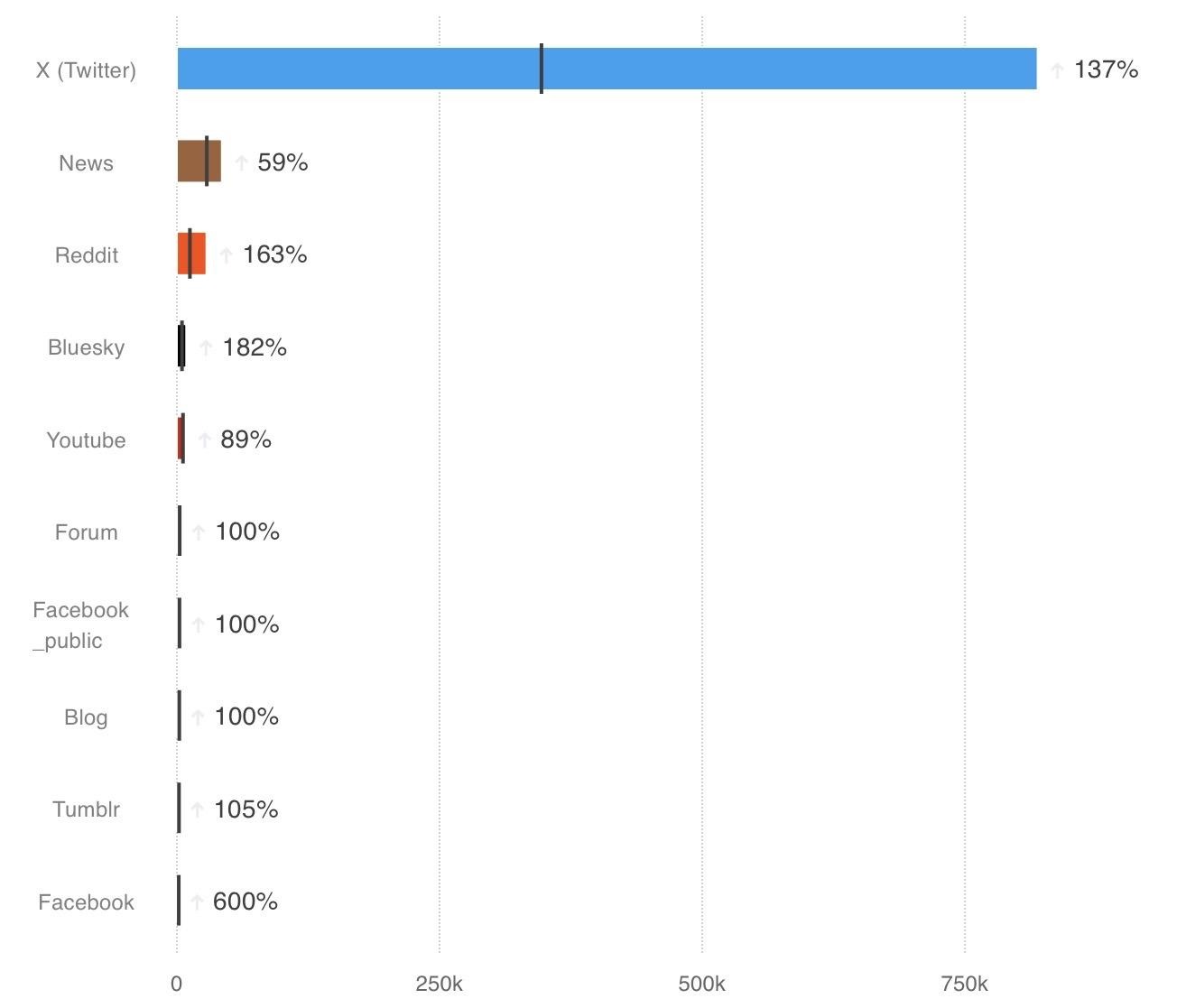
Online conversation is heavily concentrated on platforms like X, where political discussion among journalists, commentators, and highly engaged users is most visible. However, influence does not stop there. Content that performs well in these spaces often spreads beyond them through reposting, screenshots, and private sharing across broader networks.
This distinction highlights an important dynamic in the current race.
Visibility alone does not determine electoral success. What matters is whether that visibility translates into participation. Campaigns that succeed are not only those that generate attention, but those that encourage supporters to engage, share, and reinforce messages within their own communities.
This is where the election may ultimately be decided.
Fidesz enters the race with a significant structural advantage. After more than a decade in power, the party has built a strong ground operation and benefits from extensive precinct-level data across Hungary’s 106 single-member districts. This infrastructure has historically allowed it to translate support into turnout with high efficiency, particularly outside major urban centers.
By contrast, Tisza’s strength lies in consolidation and digital momentum. Its rapid rise shows that there is clear demand for an alternative and that its messaging is resonating online. However, its key challenge is converting that momentum into real-world organization.
The central question moving forward is whether digital support can be transformed into on-the-ground capability.
To continue gaining public support, emerging movements will need to maintain what is already working. This includes continuing to prioritize direct and personal communication, responding quickly to political developments, and focusing on issues that resonate with everyday concerns such as economic pressure and corruption.
At the same time, expanding beyond early supporters will be critical. Reaching less politically engaged voters and building broader trust may determine whether online momentum can scale into electoral success.
The most important insight is that this election may not be decided by who dominates the online conversation, but by who can convert digital momentum into structured participation.
As Hungary approaches election day, the campaign that succeeds in turning visibility into mobilization across local districts may ultimately gain the decisive advantage.
